Miksi visuaalinen dokumentointi on tulossa välttämättömäksi rakennusalalla
Lue, miksi visuaalinen dokumentointi on tulossa välttämättömäksi rakennusalan tiimeille ja miten laadukkaammat valokuvadokumentit parantavat laatua, viestintää ja vastuullisuutta.
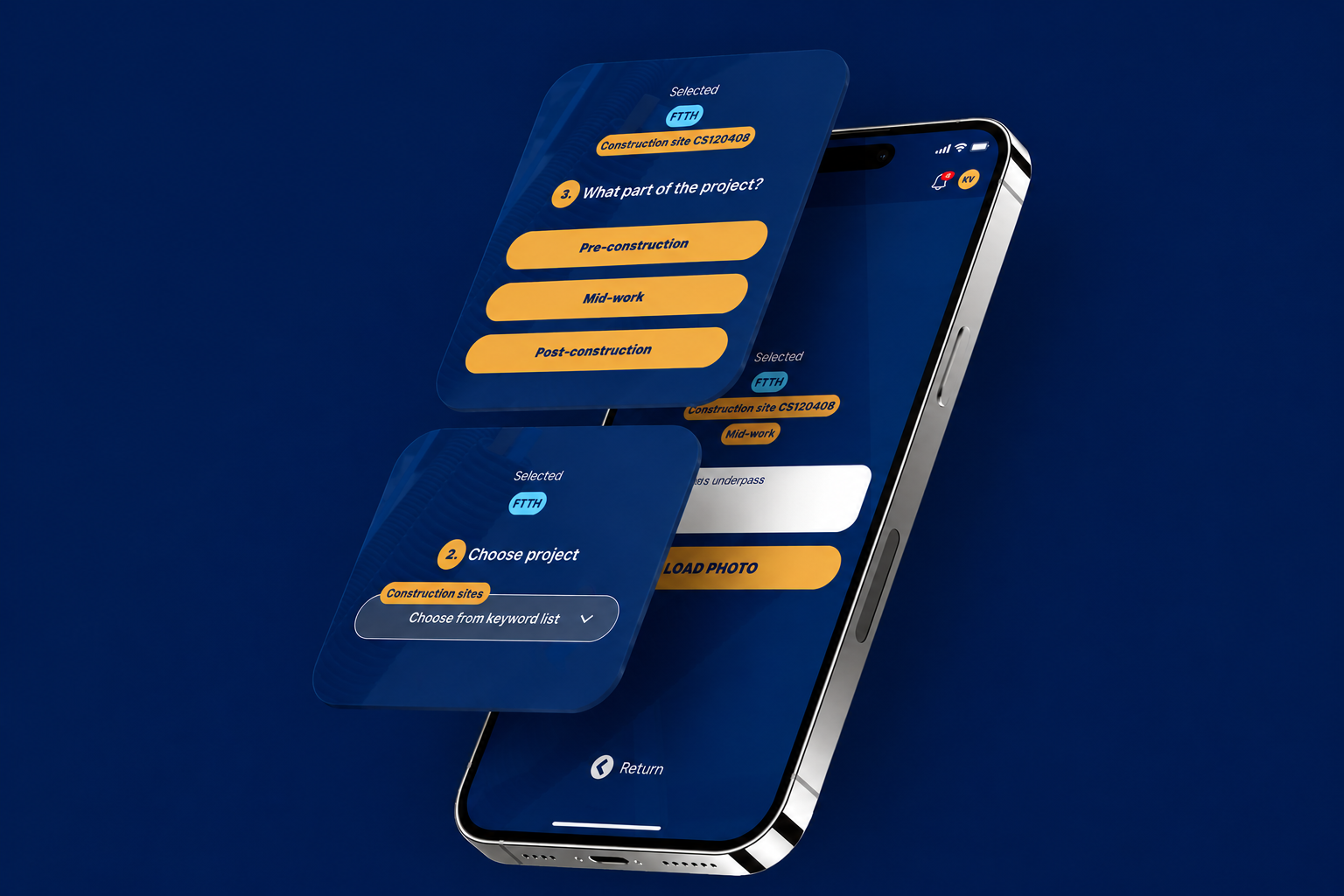
Rakennushankkeissa syntyy päivittäin valtava määrä tietoa. Suunnitelmat muuttuvat, asennukset valmistuvat, rakenteet peitetään ja työryhmät liikkuvat työmaan eri alueiden välillä.
Suuri osa tästä edistymisestä on kuitenkin väliaikaista. Kun seinä suljetaan tai kaivanto täytetään, voi olla vaikeaa tarkistaa, mitä sen alla on tapahtunut.
Siksi visuaalinen dokumentointi on tulossa yhä tärkeämmäksi osaksi rakennushankkeiden hallintaa.
Valokuvat ovat enemmän kuin vain edistymisraportteja
Rakennusvalokuvia pidetään usein pelkkänä edistymisen kirjaamisena. Niiden arvo ulottuu kuitenkin paljon pidemmälle.
Hyvin dokumentoitu valokuva voi toimia todisteena valmistuneesta työstä, asennusolosuhteista, virheistä, korjauksista, työmaan olosuhteista ja projektin aikana tapahtuneista muutoksista.
Tärkeä ero on pelkkän valokuvauksen ja jäsennellyn visuaalisen dokumentoinnin välillä.
Satoja kuvia sisältävä kamerarulla ei ole luotettava projektitallenne. Jokaisella valokuvalla on oltava riittävästi kontekstia, jotta se on käyttökelpoinen myöhemmin.
Konteksti tekee visuaalisesta todistusaineistosta arvokasta
Valokuvasta tulee huomattavasti hyödyllisempi, kun se pystyy vastaamaan seuraaviin peruskysymyksiin:
Missä se on otettu? Milloin se on otettu? Mihin projektiin tai työvaiheeseen se kuuluu? Kuka sen otti?
Ilman näitä tietoja tiimit joutuvat usein luottamaan muistiinsa tai viettämään aikaa kansioiden, viestien ja sähköpostiliitteiden läpikäymiseen.
Valokuvien yhdistäminen asiaankuuluviin metatietoihin jo ottamishetkellä luo paljon kattavamman dokumentoinnin siitä, mitä työmaalla tapahtui.
Dokumentointi tulisi tapahtua reaaliajassa
Paras hetki dokumentoida rakennustöitä on silloin, kun tiedot ovat vielä näkyvissä.
Ajattele esimerkiksi maanalaisia putkistoja. Kun kaivanto on täytetty, asennuksen tarkastaminen voi vaatia uutta kaivamista. Selkeä valokuvadokumentaatio, joka on otettu ennen kuin työ on peitetty, voi tarjota arvokasta tietoa ilman, että työmaata tarvitsee avata uudelleen.
Sama periaate pätee eristykseen, sähköasennuksiin, putkistoihin, rakenneosien korjauksiin ja moniin muihin rakennustoimiin.
Reaaliaikainen dokumentointi auttaa säilyttämään tietoja, jotka muuten saattaisivat kadota projektin edetessä.
Paremmat asiakirjat tukevat parempaa viestintää
Rakentamiseen osallistuvat kenttätyöntekijät, projektipäälliköt, alihankkijat, asiakkaat, valvojat ja muut sidosryhmät.
Kun visuaalinen informaatio on hajallaan yksittäisissä puhelimissa ja viestintäkanavissa, jokainen voi päätyä työskentelemään eri tietojen pohjalta.
Keskitetty visuaalinen dokumentointi luo yhteisen tietolähteen.
Sen sijaan, että pyydettäisiin jotakuta etsimään ja lähettämään vanha valokuva, valtuutetut tiimin jäsenet voivat itse käyttää dokumentointia. Tämä vähentää tarpeetonta viestintää ja helpottaa työmaalla tapahtuvien asioiden ymmärtämistä.
Yksinkertaisuus ratkaisee, toimiiko prosessi
Dokumentointijärjestelmässä voi olla tehokkaita ominaisuuksia, mutta niistä on vain vähän hyötyä, jos tietojen kerääminen on vaikeaa.
Kenttätiimit työskentelevät ympäristöissä, joissa nopeudella on merkitystä. Dokumentoinnin on siksi sovittava luonnollisesti osaksi päivittäistä työtä.
Valokuvien tallentamiseen, järjestämiseen ja jakamiseen tarvittavien vaiheiden vähentäminen voi merkittävästi parantaa projektien dokumentoinnin johdonmukaisuutta.
Tavoitteena ei pitäisi olla se, että työntekijät käyttävät enemmän aikaa dokumentointiin. Tavoitteena pitäisi olla luotettavan dokumentoinnin mahdollistaminen vähemmällä vaivalla.
Visuaalinen dokumentointi on tulossa osaksi projektin dokumentaatiota
Rakennusprosessien digitalisoituessa valokuvat ja videot ovat siirtymässä epävirallisista viestintävälineistä osaksi jäsenneltyä projektitietoa.
Luotettavat visuaaliset tallenteet voivat tukea laadunvalvontaa, etenemisen seurantaa, ylläpitoa, korvausvaatimusten käsittelyä ja viestintää vielä kauan sen jälkeen, kun valokuva on alun perin otettu.
Eniten hyötyvät ne organisaatiot, jotka pitävät visuaalista dokumentointia alusta alkaen osana projektin työnkulkua – eivätkä jotain, joka on järjestettävä jälkikäteen.