Rakennushankkeiden valokuvadokumentaation turvaaminen
Tutustu siihen, kuinka turvallinen valokuvadokumentointi auttaa rakennusryhmiä suojaamaan projektitietoja ja pitämään samalla visuaaliset aineistot oikeiden henkilöiden saatavilla.
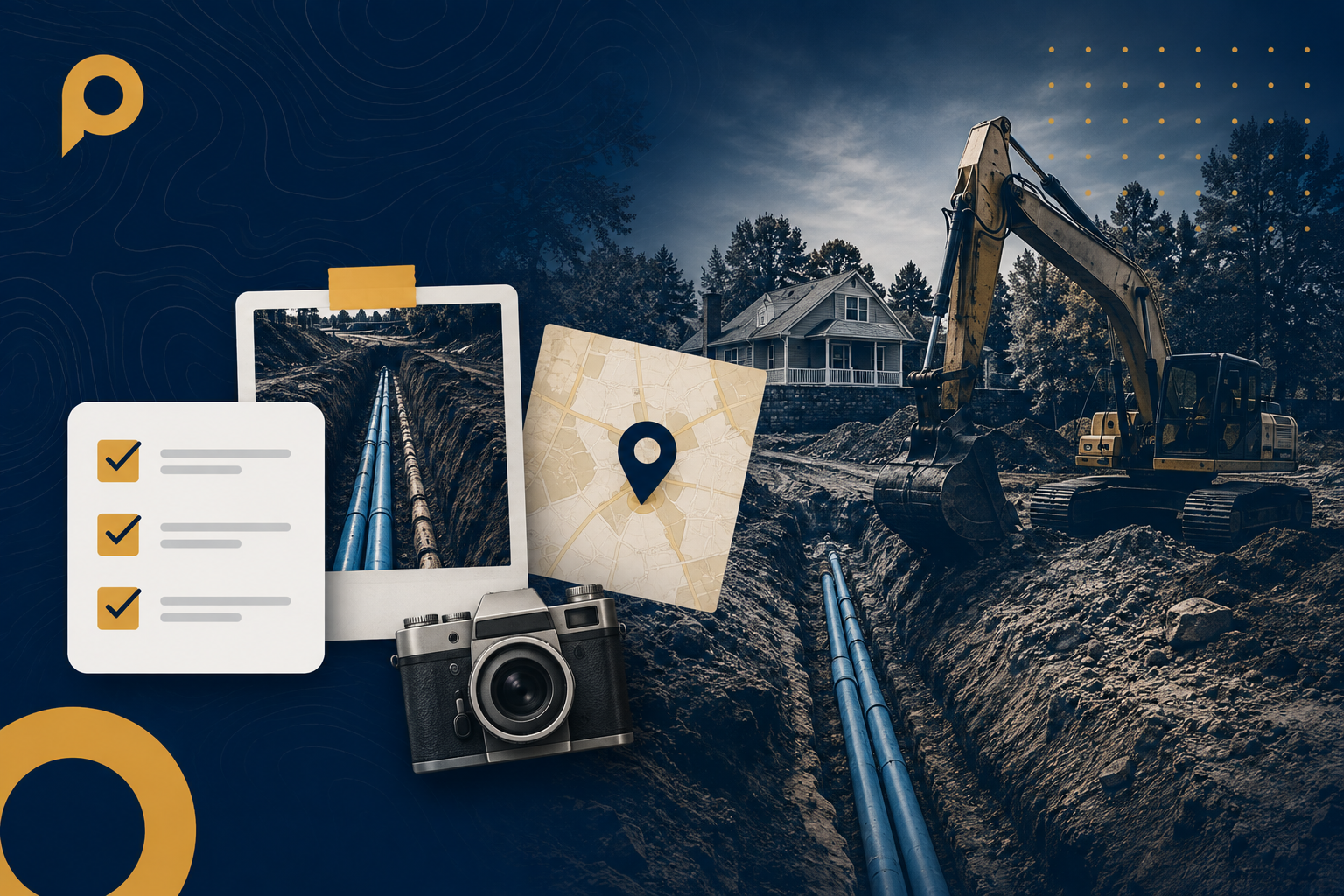
Rakennuskuvat voivat sisältää paljon enemmän tietoa kuin ensi silmäyksellä näyttää. Niistä voi käydä ilmi rakennuksen pohjapiirrokset, infrastruktuuri, laitteet, asennuksen yksityiskohdat, viat, kulkureitit tai muuta hankekohtaista tietoa.
Kun visuaalinen dokumentointi on yhä suurempi osa päivittäistä rakennustyötä, näiden tietojen suojaaminen on yhä tärkeämpää.
Rakennuskuvat ovat projektitietoa
Työmaalla otetut valokuvat ja videot tulisi käsitellä osana projektin digitaalista tietoa.
Kun kuvia tallennetaan henkilökohtaisiin puhelimiin, viestisovelluksiin, sähköpostikeskusteluihin ja paikallisiin kansioihin, organisaatiot voivat nopeasti menettää hallinnan siitä, missä projektitiedot sijaitsevat ja kenellä on niihin pääsy.
Järjestelmällinen dokumentointijärjestelmä auttaa säilyttämään visuaaliset tallenteet hallitussa ympäristössä sen sijaan, että ne hajautuisivat useille eri kanaville.
Hallitse, kuka pääsee käsiksi projektitietoihin
Kaikki projektiin osallistuvat eivät tarvitse pääsyä jokaiseen tietoon.
Selkeät käyttöoikeudet auttavat organisaatioita hallitsemaan, mitkä työntekijät, alihankkijat ja muut sidosryhmät pääsevät käsiksi tiettyihin projekteihin ja niiden dokumentaatioon.
Tämä on erityisen tärkeää, kun useat yritykset tai tiimit työskentelevät samassa projektissa.
Pidä dokumentaatio järjestyksessä ja jäljitettävissä
Turvallisuus ei tarkoita pelkästään luvattoman pääsyn estämistä. Organisaatioiden on myös tiedettävä, mistä tiedot ovat peräisin ja miten ne liittyvät projektiin.
Valokuvat, joihin on liitetty tietoja kuten ottamisajankohta, sijainti, projekti, työvaihe ja valokuvaaja, muodostavat paremmin jäljitettävän visuaalisen arkiston.
Sen sijaan, että tiimit luottaisivat eri viestintäkanavien välillä kopioituihin kuviin, ne voivat viitata dokumentaatioon, jossa alkuperäinen konteksti on säilynyt ehjänä.
Vähennä riippuvuutta henkilökohtaisista viestintäkanavista
Sähköposti ja viestisovellukset ovat käteviä nopeaan viestintään, mutta ne voivat aiheuttaa dokumentaation pirstoutumista.
Kuva saatetaan lähettää useille ihmisille, ladata eri laitteille ja lopulta se voi irrota alkuperäisestä kontekstistaan.
Projektikuvien säilyttäminen erillisessä dokumentointijärjestelmässä vähentää tarvetta jakaa tiedostoja manuaalisesti ja tarjoaa tiimeille selkeämmän paikan, josta ne voivat hakea projektitietoja.
Ota tietosuoja huomioon jo alusta alkaen
Organisaatioiden tulisi määritellä, miten visuaalista projektitietoa kerätään, tallennetaan, käytetään, säilytetään ja lopulta poistetaan.
Tämä on erityisen tärkeää, kun kuvat sisältävät henkilötietoja tai muuta arkaluonteista projektitietoa.
Näiden seikkojen sisällyttäminen dokumentointiprosessiin alusta alkaen on helpompaa kuin yrittää saada tietoja takaisin hallintaan sen jälkeen, kun ne on jo jaettu.
Turvallisen dokumentoinnin tulisi silti olla helppokäyttöistä
Turvallisuuden ja käytettävyyden on toimittava yhdessä.
Jos turvallinen prosessi on liian vaikea kenttätiimeille, työntekijät saattavat palata tuttuihin vaihtoehtoihin, kuten henkilökohtaisiin kamerarullisiin tai viestisovelluksiin.
Tavoitteena onkin tarjota yksinkertainen dokumentointiprosessi ja samalla pitää projektitiedot hallitussa järjestelmässä.
Kun turvallinen dokumentointi tulee osaksi päivittäistä työtä, organisaatiot voivat hallita visuaalisia projektitietojaan paremmin ilman, että kentällä työskenteleville aiheutuu tarpeetonta monimutkaisuutta.